
Long before packed stadiums and televised qualifiers, football in Pakistan began on dusty parade grounds and cantonment fields. The story starts in the late 19th century during British colonial rule in the Indian subcontinent. British soldiers and civil servants brought the game with them, introducing it to major port cities such as Karachi and military hubs across Punjab.
What began as a pastime for colonial officers soon caught the attention of locals. Schools, colleges, and regimental teams started forming sides. By the early 20th century, football had already developed a competitive culture in regions that would later become part of Pakistan.
Pre-Partition Roots
Before 1947, football was organized under regional associations within British India. Clubs from areas like Lahore and Karachi participated in local tournaments. Institutions such as the railways, army units, and port authorities played a central role in nurturing the sport.
The passion for football was especially strong in Lyari, Karachi, a neighborhood that would later be known as the heartland of Pakistani football. Even before independence, the sport had taken deep cultural roots there.
1947 and the Formation of a Football Identity
After independence in 1947, Pakistan moved quickly to formalize its football structure. The Pakistan Football Federation was established in the same year to govern the sport nationwide. This was a crucial step in transforming scattered regional competitions into a unified national system.
In 1948, Pakistan became a member of FIFA, marking its official entry into international football. It also joined the Asian Football Confederation in 1954. These memberships allowed Pakistan to participate in global and continental competitions.
The Early Golden Era
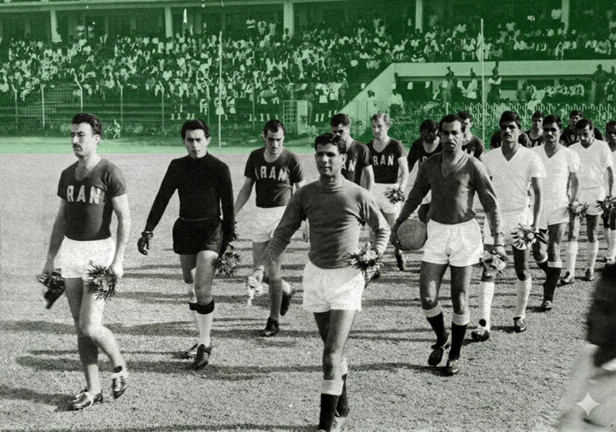
The 1950s and 1960s are often described as the golden era of Pakistani football. The national team competed in regional tournaments and earned respect across Asia. One of the biggest milestones came during the Asian Games in 1962, where Pakistan reached the quarter-finals in Jakarta.
During this era, legendary names emerged. Players such as Abdul Ghafoor Majna and Muhammad Umer Baloch became symbols of technical skill and determination. Their performances inspired a generation and helped establish football as one of the country’s major sports alongside hockey.
Institutional Football and Domestic Competitions
For decades, Pakistani football revolved around departmental teams. Organizations such as Pakistan Army, WAPDA, PIA, and KPT built strong squads by employing players. This model provided financial security to footballers and kept domestic competition alive. National championships were held regularly, and football remained popular in Karachi, Quetta, and parts of Khyber Pakhtunkhwa. Street football culture thrived, especially in Lyari, where narrow lanes often doubled as training grounds for future internationals.
Challenges and Interrupted Growth
Despite its promising beginnings, football in Pakistan faced administrative crises, lack of infrastructure, and political interference over the years. Suspensions from international football at different points slowed development and isolated players from global exposure. Yet the love for the game never disappeared. From school tournaments to local leagues, football continued to survive through community passion rather than institutional strength.
A Legacy Still Being Written
The story of how football began in Pakistan is not just about colonial influence or federation memberships. It is about communities that embraced the sport and made it their own. From British cantonments to the streets of Lyari, football evolved into a symbol of identity and pride. Today, as Pakistan works to rebuild and modernize its football structure, it does so on foundations laid more than a century ago. The origins were humble. The ambition, however, has always been bigger than the pitch.
About the author: Mohsin Rasheed is the Co-founder & Chief editor of Footballer.pk